
Flank wear
Abrasive wear due to carbides,speed,hard skin
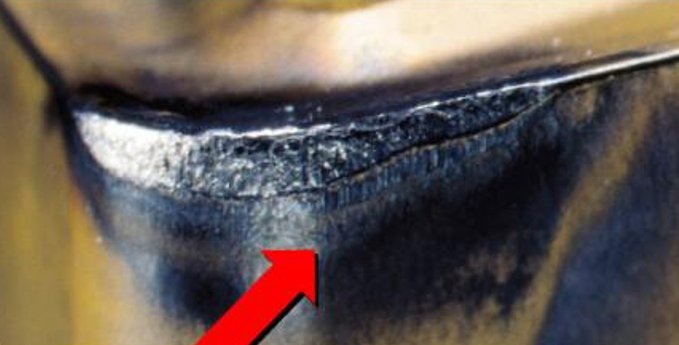
* Fast wear on Clearance face results in poor surface quality
* Low feed
* Bad wear-resistance
* Reduce cutting speed
* Gradually increase feed
* Use inserts with better wear
* resistant material or coating
* Increase cooling fluid supply
* Clockwise milling
Crater wear
Diffusion between insert and work piece material
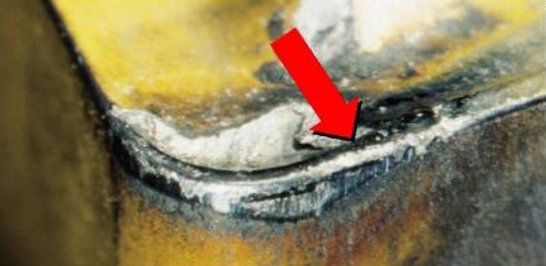
* Crater Wear on rake face
* Excessive crater wear reduces strength of cutting edge
Excessive cutting temperature on the rake face causes diffusion wear
* Reduce cutting speed
* Reduce feed
* Use inserts with positive rake angle,more duranle material or cotaing.
* Avoid built-up egde
Flank wear
Abrasive wear due to carbides,speed,hard skin
* Fast wear on Clearance face results in poor surface quality
* Low feed
* Bad wear-resistance
* Reduce cutting speed
* Gradually increase feed
* Use inserts with better wear
* resistant material or coating
* Increase cooling fluid supply
* Clockwise milling
Crater wear
Diffusion between insert and work piece material
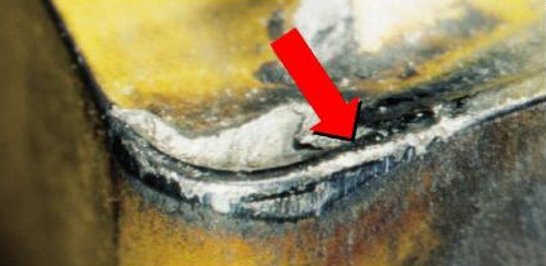
* Crater Wear on rake face
* Excessive crater wear reduces strength of cutting edge
Excessive cutting temperature on the rake face causes diffusion wear
* Reduce cutting speed
* Reduce feed
* Use inserts with positive rake angle,more duranle material or cotaing.
* Avoid built-up egde
Chipping
Application too demanding for the chosen insert

* Built-Up Egde
* Grade is too brittle
* Inserts Chipbreaker strength is low
Excessive cutting temperature on the rake face causes diffusion wear
* Cutting edge been cracked,then to increase cutting speed
* Eliminate vibration factors
* Uneven workpiece material,then to reduce cutting speed and increase feed,Clockwise milling.
* Whether insert body is annealed, the shim is broken, or the blade screw needs to be replaced.
* Use higher strength inserts material
* Change inserts with strong edge
* Chilled cast iron workpiece requires negative rake angle inserts
* Milling tools with round inserts are with best impact resistance
Plastic deformation
Substantial heat and pressure
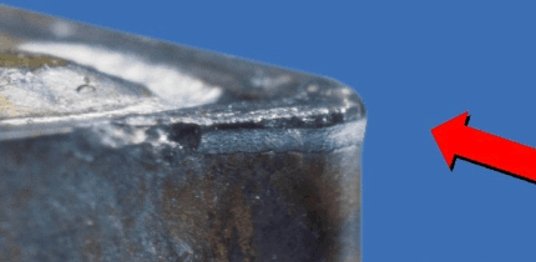
* Plastic Deformation
* The cutting edge collapses or clearance face recessed, resulting in poor cutting control and surface quality. The flank wear would cause inserts breakage
Too high cutting temperature and pressure
* Choose a harder grade with higher resistance to plastic deformation
* Cutting edge collapses: Reduce cutting speed
* Clearance face recessed: reduce feed
Built-up edge
Work piece material welded to the cutting edge

* Built-up Edge
* Built -up edge results in poor surface quality,when falling down,it would cause breakage of cutting egde
Low speed cutting with negative rake angle
* Increase cutting speed
* Gradually increase feed to the optimum chip breaking thickness
* Use CVD Coating Inserts
* Adequate high pressure coolant fluid or air to prevent secondary chip breaking
* Clockwise milling
* Positive rake agnle tool and inserts
Notch wear
Oxidation at the depth of cut
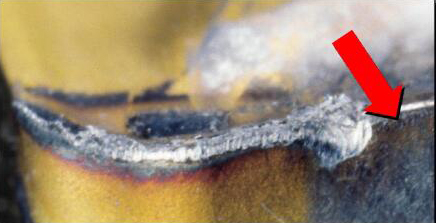
* Notch wear results in poor surface quality and breakage
* Increase cutting speed
* Gradually increase feed to the optimum chip breaking thickness
* Use CVD Coating Inserts
* Adequate high pressure coolant fluid or air to prevent secondary chip breaking
* Clockwise milling
* Positive rake agnle tool and inserts


